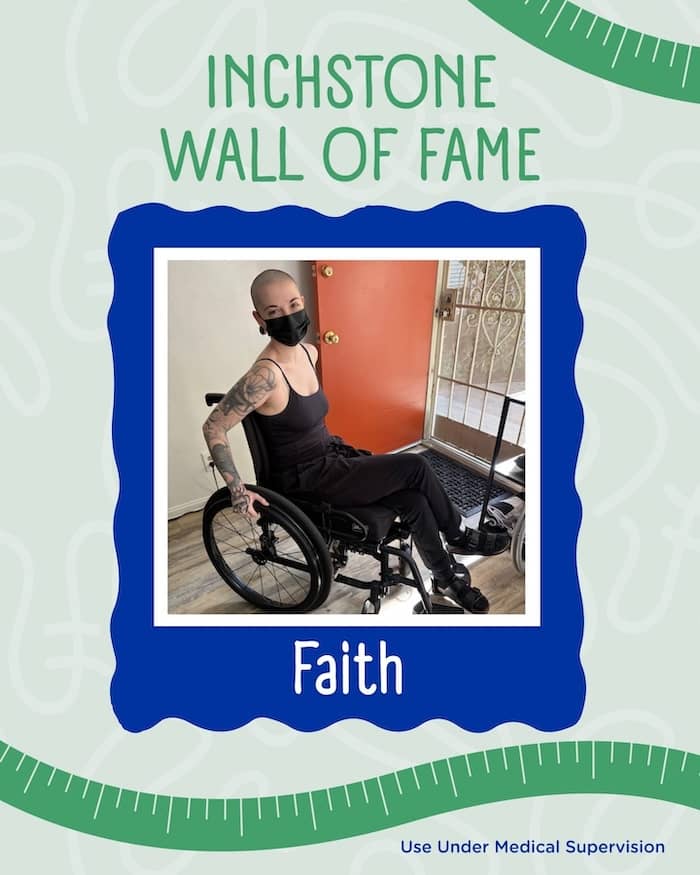
What is Better
Sing It Your WaySing Along At Home

Step 1
Gather your friends

Step 2
Warm up those voices

Step 3
Record your performance!

Step 4
Submit your video and
join the sing-along!
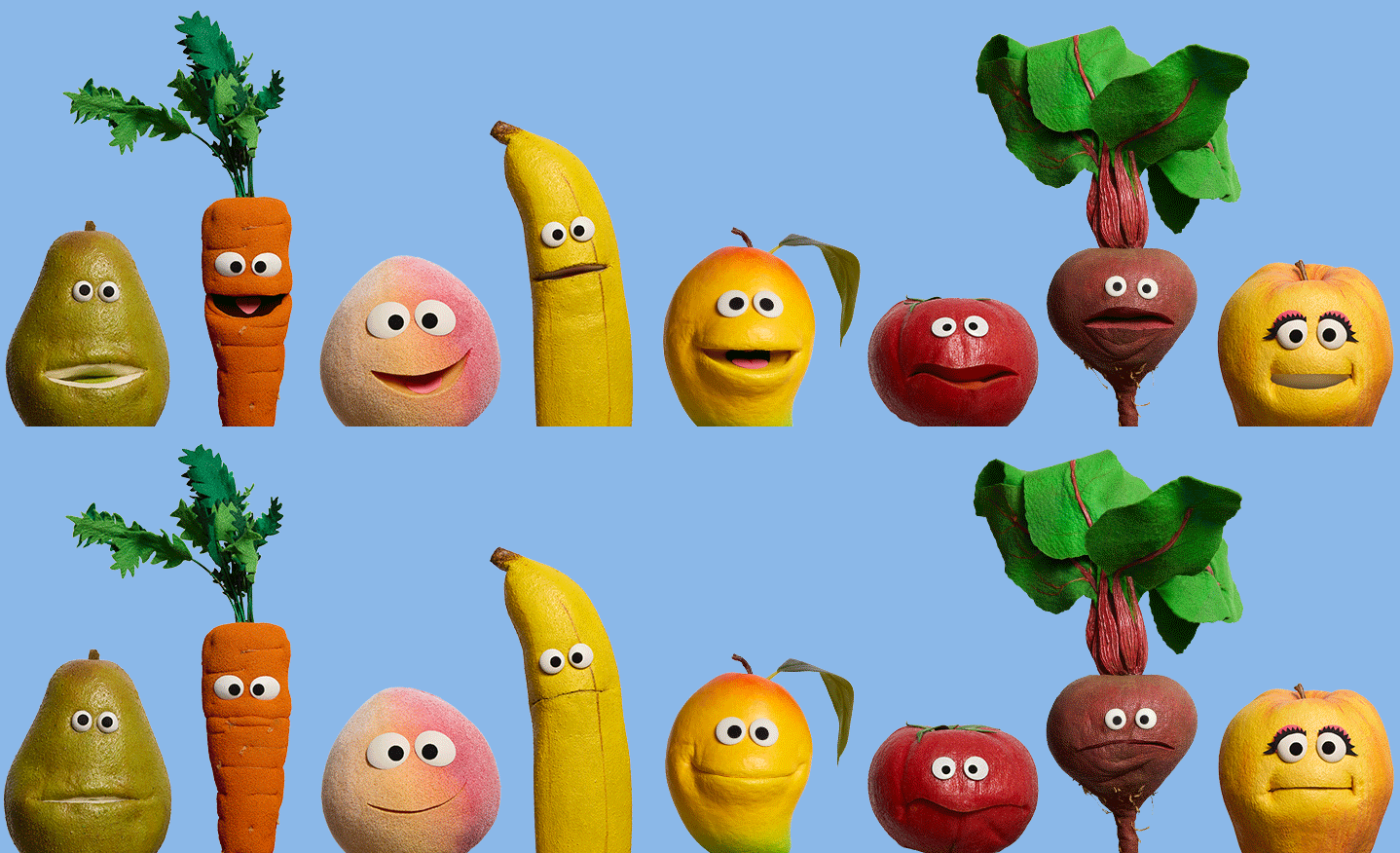
Everyone Eats in
Their Own
Special Way
Every child deserves to feel seen,
celebrated, and included at the table.
That’s why Compleat® created a song,
featuring Elmo to celebrate children who use
feeding tubes and the families who
support them every day.


Keep the Song Going
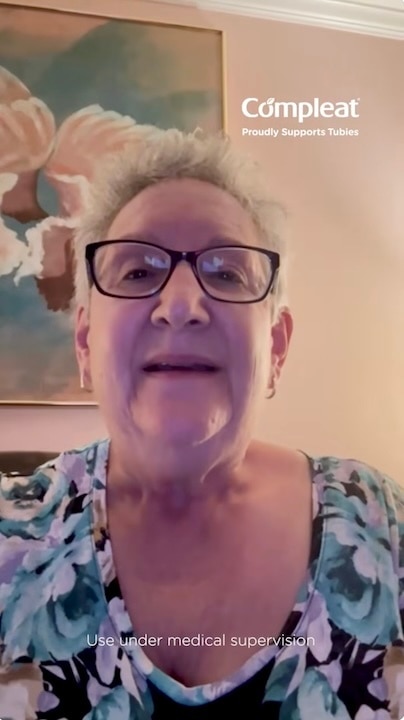
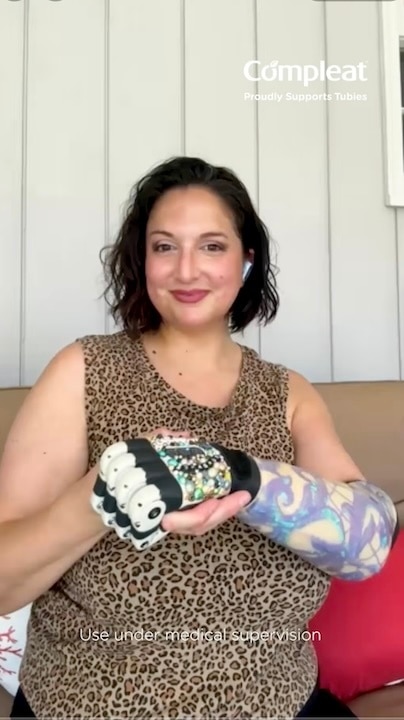
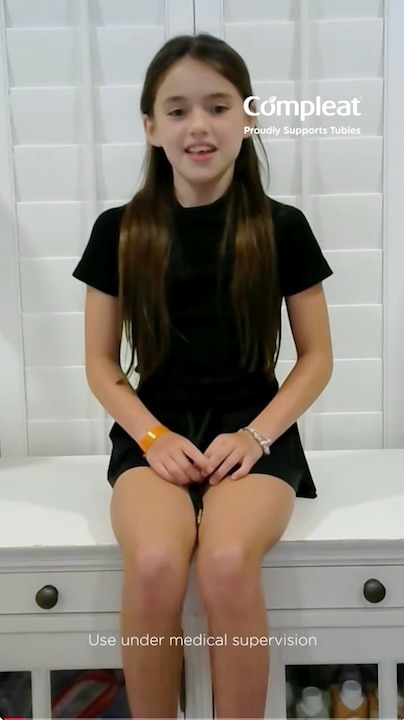
Help more families feel seen, understood and
included by singing along with our song. Add your
voice & share with the tube-feeding community.

Frequently Asked Questions
It’s our way of saying that what you eat is more important than how you eat it. That's the idea behind our campaign.
Food arrives in all kinds of ways. A fork. A spoon. Chopsticks. A straw. Or a feeding tube.
For people who rely on tube feeding, conversations often focus on how they're eating instead of what they're eating. We wanted to shift that perspective.
Because the most important thing isn't the method. It's the nourishment.
The campaign was created to celebrate the tube-feeding community, raise awareness, and remind families that every way of eating is valid.
Because tube feeding deserves more understanding.
Many families enter the world of tube feeding unexpectedly. A hospital stay, a diagnosis, surgery, or a medical condition can suddenly introduce an entirely new vocabulary, new equipment, and a new daily routine.
That experience can feel overwhelming.
We created this campaign to celebrate the tube-feeding community, help normalize different ways of eating, and support conversations around nutrition, inclusion, and feeding.
For decades, Sesame Street's Elmo has helped children feel seen, understood, and included.
He's also helped families navigate difficult topics by making them easier to understand.
That's why he was the perfect partner for a campaign designed to raise awareness, normalize tube feeding, and celebrate the tube-feeding community.
Together, Compleat and Elmo are helping start an important conversation: what you eat is more important than how it gets there.
Not at all.
This campaign was created to celebrate the tube-feeding community, but everyone is invited to take part.
Whether you're a parent, caregiver, friend, healthcare professional, family member, or simply someone who wants to show their support, we'd love to have you join in and share the message.
Need some words? Copy this:
There are lots of ways to eat. I’m sharing my voice to help more people see and support the tube-feeding community. #WhatIsBetterThanHow
Join the sing-along and help spread the word.
We created a simple tool that lets anyone record and share their own version of the song. Just choose a verse, hit record, and share it with your friends, family, or community.
The more voices we add, the more people we can help understand that there are many different ways to eat — and every one of them deserves to be celebrated.
Once you submit your video, our team will review it before it's shared.
This review process helps ensure that videos meet our community guidelines and any applicable medical, legal, and regulatory requirements.
After approval, your video may be featured as part of the campaign and shared across Compleat channels, including the campaign gallery and social media.
Review times may vary, but we'll keep you updated throughout the process.
Thank you for adding your voice and helping more people see and support the tube-feeding community.
Tube feeding, also called enteral nutrition or enteral feeding, is a way of delivering nutrition directly to the stomach or small intestine through a feeding tube.
People of all ages use feeding tubes, including infants, children, teens, and adults. Pediatric tube feeding, sometimes called pediatric enteral nutrition, provides nutritional support specifically for infants and children who cannot get all the nutrition they need by mouth.
Tube feeding may be recommended when someone can't safely eat enough food by mouth, has difficulty swallowing, needs additional nutritional support, or has a medical condition that affects eating.
Your healthcare team can help determine which feeding approach is right for your child.
"Tubie" is an affectionate term many people in the feeding-tube community use to describe themselves or their children.
Some families embrace the term immediately. Others prefer different language.
There's no right or wrong choice.
The word has become a way for many people to build community, share experiences, and connect with others who understand life with a feeding tube.
Every journey is different.
A feeding tube may be recommended because of a medical condition, a developmental delay, difficulty swallowing, a gastrointestinal disorder, a neurological condition, recovery from surgery, or another health concern.
Some people rely on tube feeding for all of their nutrition. Others use it to supplement oral eating.
Not always.
Some people use feeding tubes for a short period while recovering from an illness or procedure. Others rely on tube feeding for months, years, or throughout their lives.
Every feeding journey is unique.
Often, yes.
Some people receive all of their nutrition through a feeding tube. Others eat by mouth and use tube feeding to supplement their nutrition. There are many versions of tube feeding because there are many reasons why someone may need one.
Yes. Millions of people around the world rely on tube feeding, including infants, children, teens, and adults.
Although many people aren't familiar with feeding tubes until they encounter them personally, tube feeding is a well-established form of nutritional support used in hospitals, homes, schools, and communities every day.
If you're new to tube feeding, it can feel isolating at first. But you're not alone.
There are several different types of feeding tubes, and each one is designed to meet different nutritional and medical needs.
You may hear your healthcare team use terms like NG tube, G-tube, J-tube, or GJ tube. Families and caregivers often shorten these names even further and simply refer to them as a feeding tube, a tube, a button.
Some common types of feeding tubes include:
NG tube (nasogastric tube): A tube that passes through the nose and into the stomach.
G-tube (gastrostomy tube): A tube that's placed directly into the stomach through the abdomen. You may also hear some gastrostomy tubes referred to as PEG tubes.
J-tube (jejunostomy tube): A tube that's placed into the small intestine.
GJ tube (gastrojejunostomy tube): A tube that provides access to both the stomach and the small intestine.
Every feeding journey is different. Your healthcare team can help explain which type of feeding tube is right for you or your child.
Compleat® formulas are made with carefully selected ingredients designed to provide complete nutritional support. That’s why we settled on our name.
Different Compleat products contain different ingredient combinations. We have peptide-based, plant-based/vegan, and organic formulas made with real and recognizable food ingredients such as fruits, vegetables and chicken.
For families exploring blenderized tube feeding, blended tube feeds or homemade tube feeds, Compleat offers ready-to-use, nutritionally complete options made with real food ingredients. Depending on individual nutritional needs, Compleat formulas can be used as a primary source of nutrition or as part of a broader feeding plan.
None of the Compleat formulas contain artificial flavors, colors, or sweeteners.
Want to compare ingredients across different formulas? Explore our product pages for complete nutritional information.
It means many Compleat® formulas are made with recognizable food ingredients, including fruits, vegetables, and proteins like chicken.
Different formulas are designed to meet different nutritional needs, so ingredients vary across the Compleat portfolio. You'll find options that are peptide-based, plant-based/vegan, and organic.
We believe nutrition should be both complete and approachable. That's why many Compleat formulas are made with ingredients you can recognize and flavors that taste more like real food.
You can always check an individual product label for ingredient and allergen information, or talk with your healthcare team to find the formula that's right for you or your child.
Tolerance refers to how well someone handles a feeding formula.
When people talk about "tolerance," they're usually referring to how comfortably a person digests and processes their nutrition.
Signs of poor feeding tolerance can include symptoms such as bloating, vomiting, discomfort, diarrhea, constipation, or reflux.
Because every person is different, tolerance can vary from one formula to another.
If you have concerns about feeding tolerance, talk with your healthcare team.
Every tube-feeding formula is designed to meet specific nutritional needs, and your healthcare team can help determine which one is right for you or your child.
Compleat offers a variety of formulas, including peptide-based, plant-based, organic, and vegan options made with real food ingredients.
Our formulas also have no artificial flavors, colors, and sweeteners.
Because every feeding journey is different, we believe families should have nutritional options that support their individual needs.
You can explore our Formula Finder to discover Compleat product is right for you.
Every tube-feeding journey is different, and every story matters.
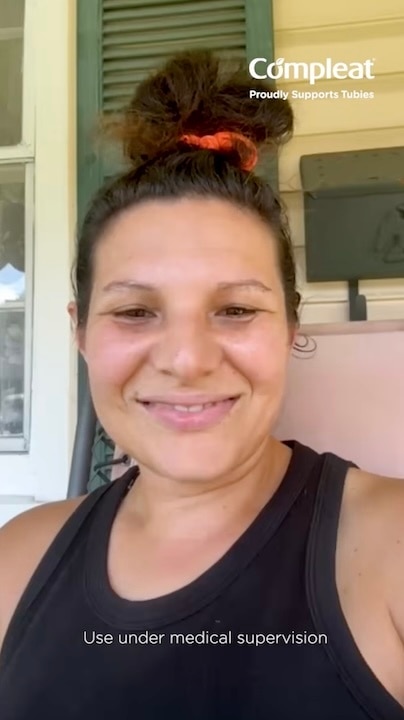
Whether you're a parent, caregiver, healthcare professional, or someone who relies on tube feeding yourself, we'd love to hear how nutrition has shaped your experience.
You can share your story with us, explore stories from other members of the tube-feeding community, and discover the many different ways people nourish themselves every day.
Because one story can help another family feel a little less alone.
Tube feeding can feel overwhelming, especially in the beginning.
The good news? You're not alone.
Support can come from many places, including your healthcare team, other caregivers, tube-feeding support groups, advocacy organizations, online communities, and families who've been through similar experiences.
You can also explore stories from the Compleat community to hear how others have navigated their own tube-feeding journeys.
https://www.facebook.com/compleatorganicblends/
Sometimes, the best advice comes from someone who's already been there.
Many families connect through online communities, social media groups, nonprofit organizations, and caregiver networks dedicated to tube feeding.
You can join the conversation through the Compleat community on social media, explore patient stories, and connect with organizations that support tube-feeding families.
Sharing experiences, asking questions, and hearing other perspectives can make a new journey feel a little less overwhelming.
No question is too small.
Your healthcare team can help you understand your child's nutritional needs, feeding schedule, formula options, growth goals, and feeding tolerance.
It can help to write down questions before appointments and keep notes about feeding routines, symptoms, or any changes you've noticed.
Remember: you're an important part of your child's care team. Your observations and experiences matter.